Gorde Group of Education
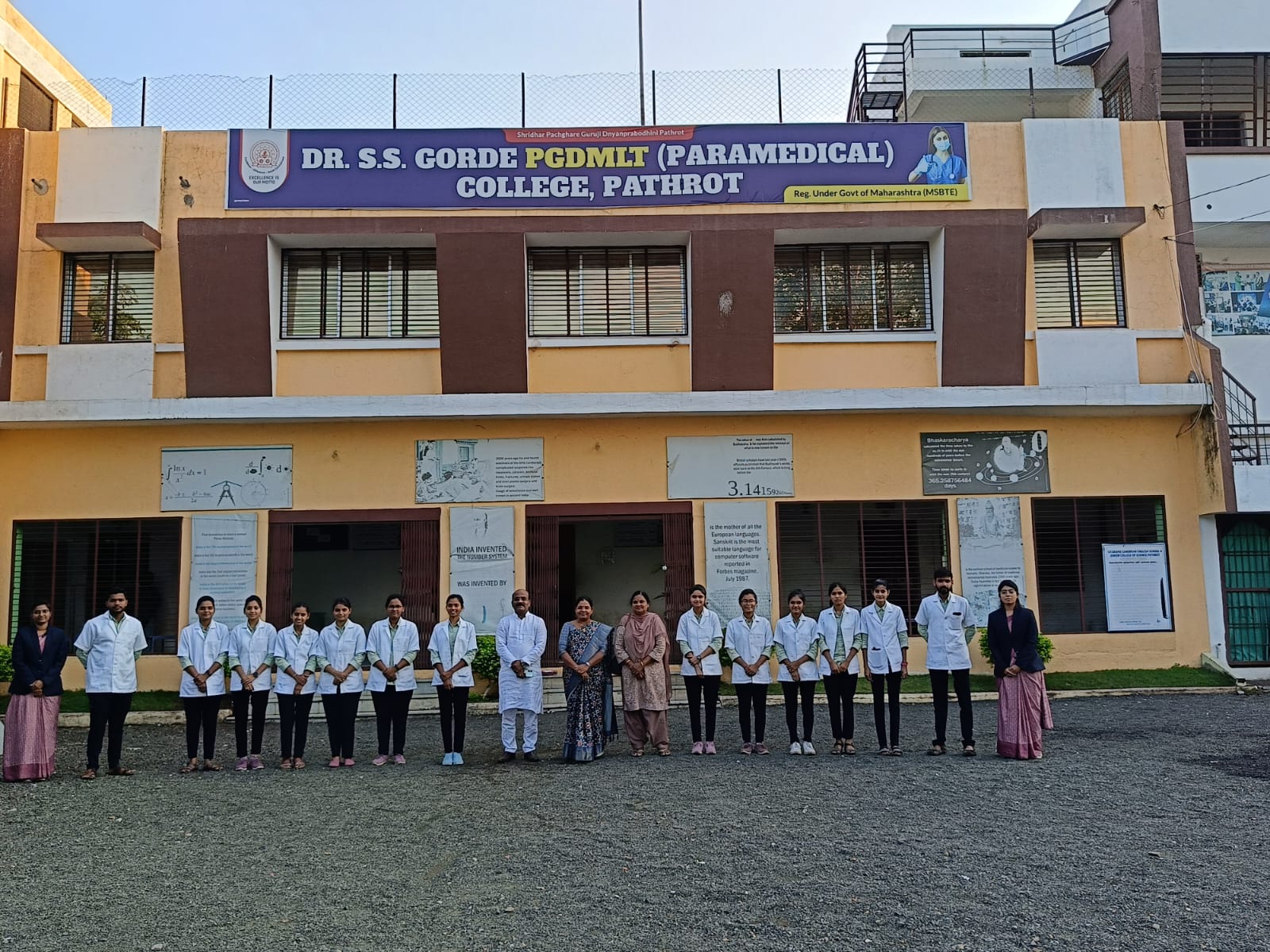
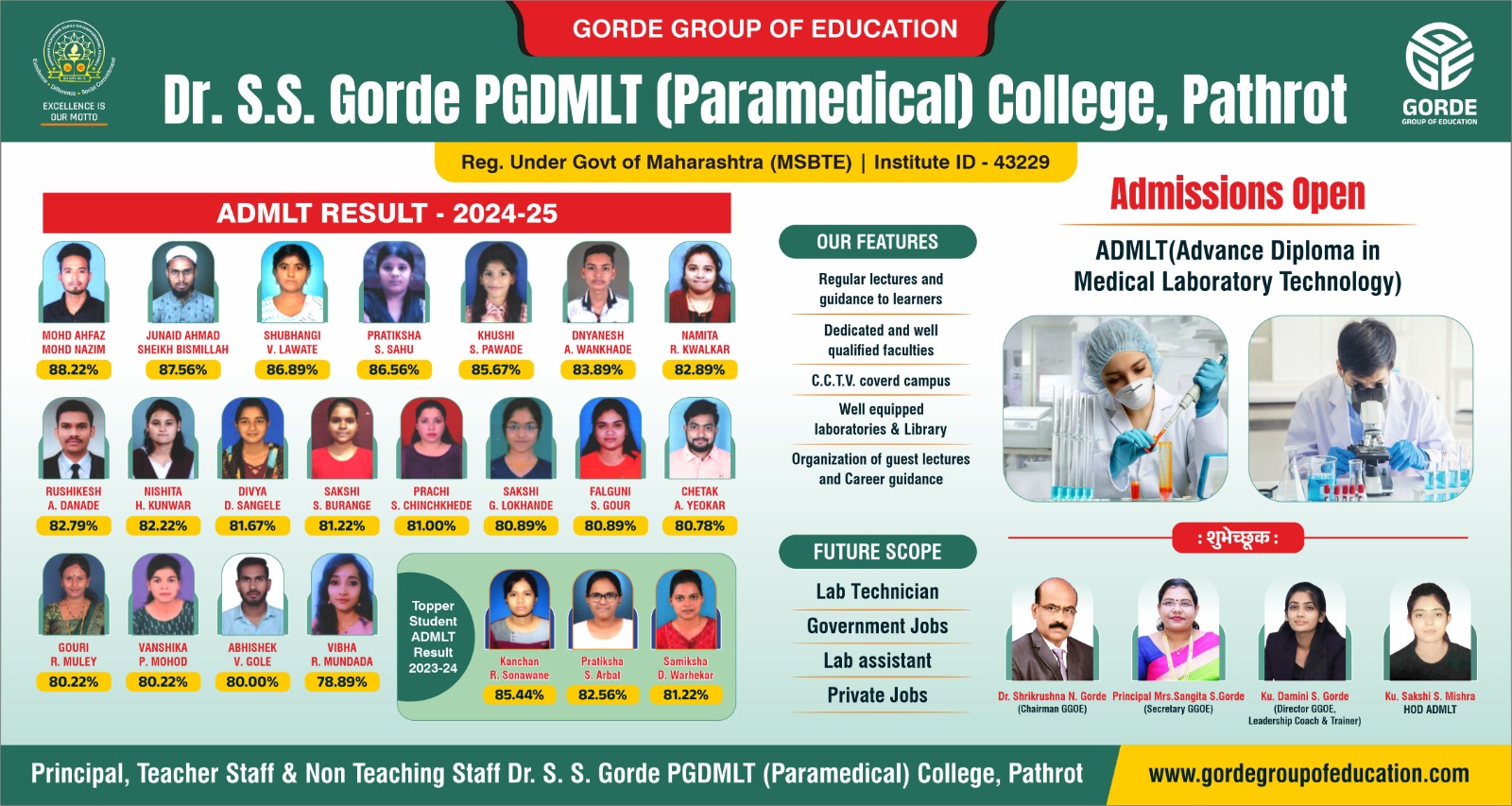
Dr. S.S. Gorde PGDMLT (Paramedical) College, Pathrot
Reg. Under Govt of Maharashtra (MSBTE)
Institute Code - 43229
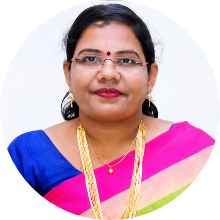
"Our mission is simple: every student who walks through these doors leaves with the steady hands and sound judgement that patients trust their lives to. We measure our success not in examination results alone, but in the competence and integrity our graduates carry into every laboratory they serve."
The Post Graduate Diploma in Medical Laboratory Technology is structured around the core disciplines of a working diagnostic laboratory.
Sample handling, reagent chemistry and automated analyser operation for routine and specialised biochemical testing.
Cell counting, blood grouping, cross-matching and transfusion safety protocols under supervised practicals.
Culture, staining and identification techniques alongside histopathology and cytology sample processing.
Three specialised laboratories give every student direct, supervised bench experience.
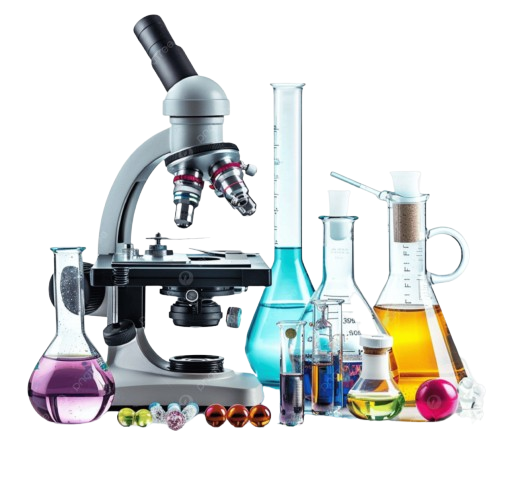
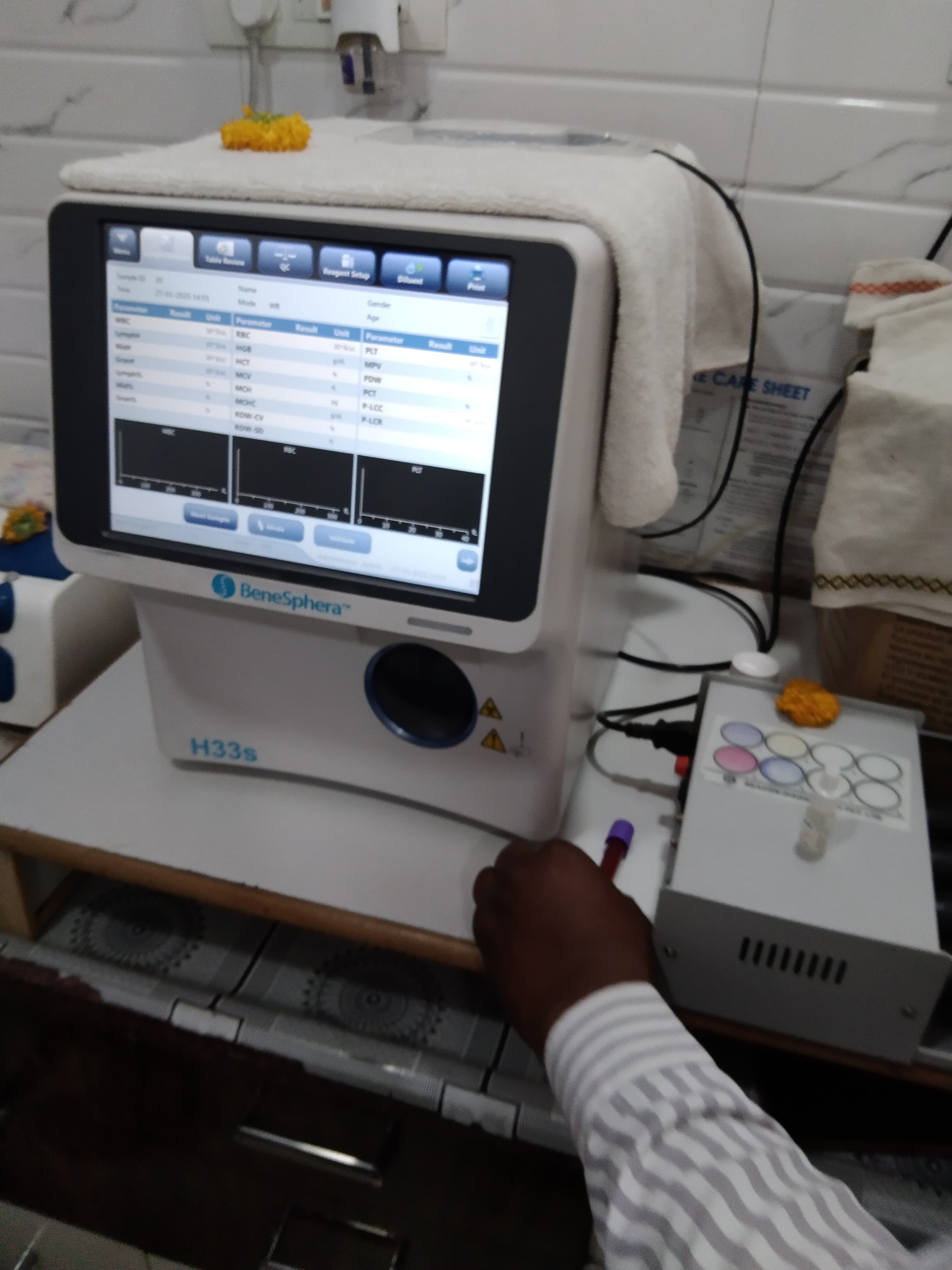
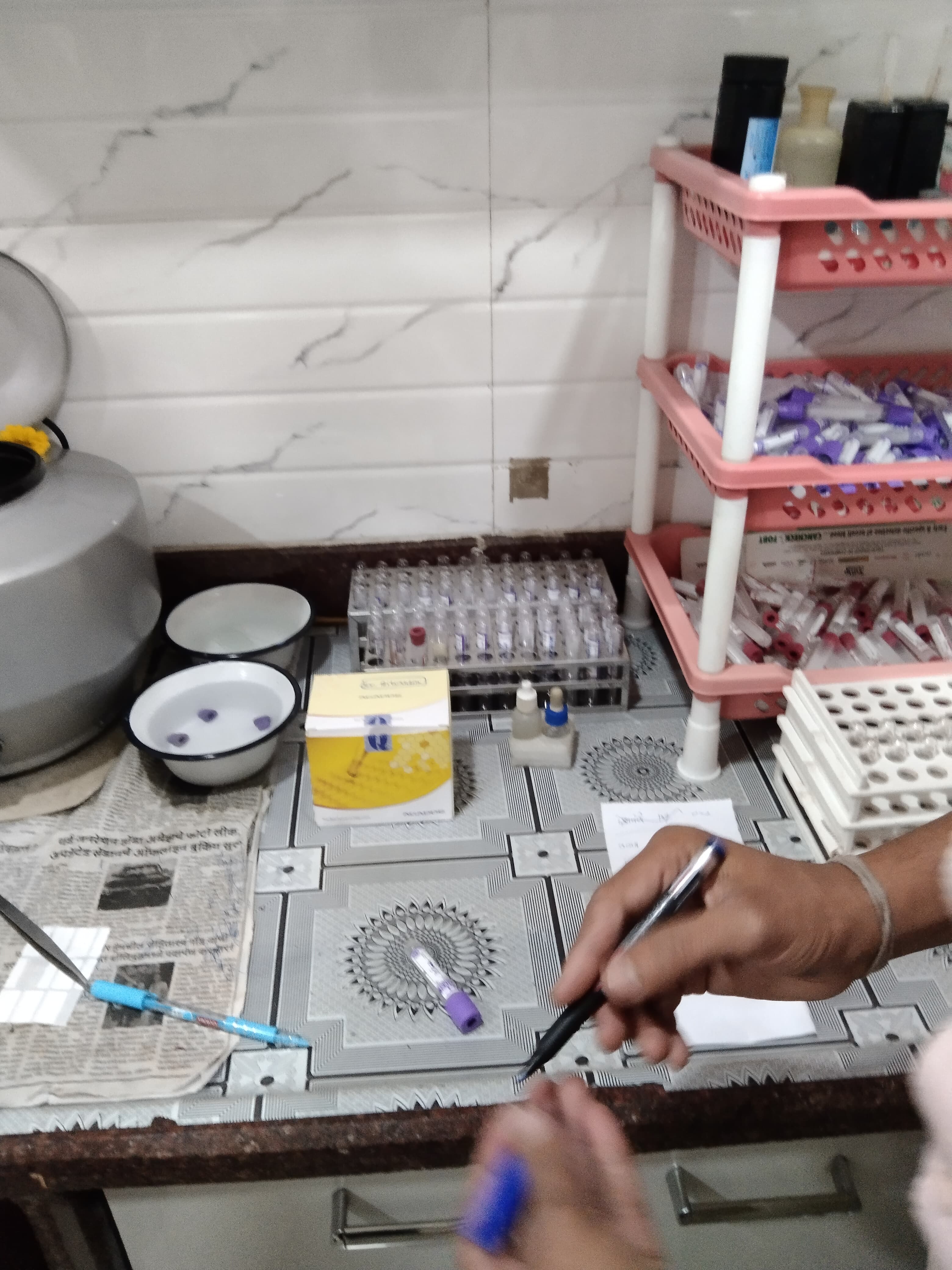
Routine biochemistry, haematology and urinalysis benches equipped with automated analysers for hands-on diagnostic practice.
Histopathology and cytology work stations for tissue processing, staining and microscopic slide examination.

Culture and sensitivity testing, Gram staining and organism identification under strict biosafety protocols.
Reference texts, journals and e-resources for laboratory science.
Projector-equipped rooms for demonstration and case discussion.
Separate, supervised accommodation for outstation students.
On-campus dining and recreation space between lab sessions.
Laboratory information systems and reporting software training.
On-site medical support during practical and lab hours.
Indoor and outdoor activity space for student wellbeing.
Dedicated guidance connecting graduates with hospitals and labs.
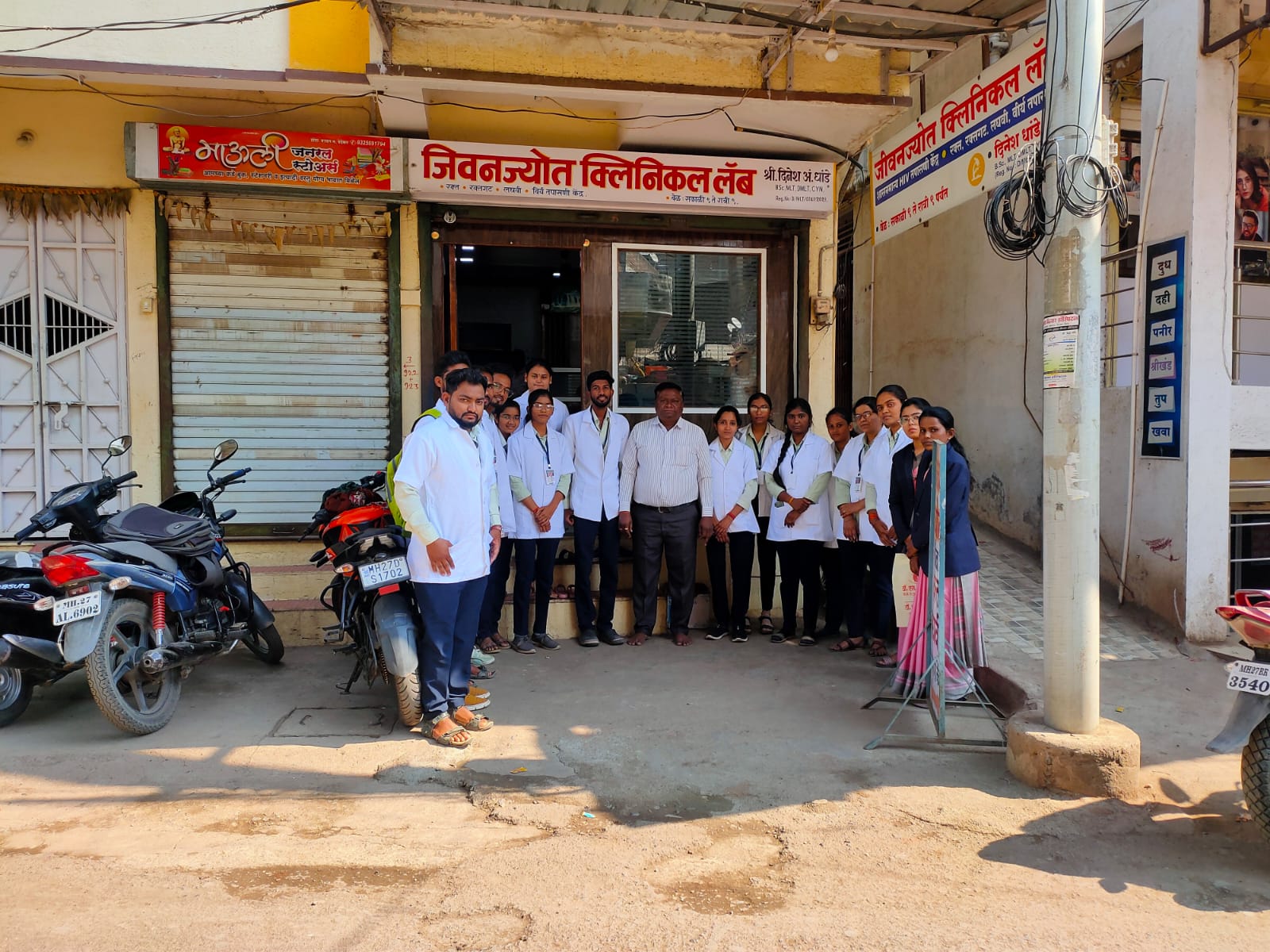
Every PGDMLT student completes structured, supervised internships at partner hospitals and diagnostic centres, applying classroom technique to real patient samples under qualified supervision.
Ongoing collaboration with diagnostic chains and pathology networks keeps the curriculum aligned with current instrumentation and reporting standards used across the industry.
"The lab hours here outnumbered the lecture hours. By the time I sat for my hospital interview, bench work felt completely natural."
"Faculty who still work in diagnostic labs taught us the shortcuts and the caution that textbooks never mention."
"The internship placement is what set this college apart for me — I had ward experience before I even graduated."